Introduction to Facebook Ads
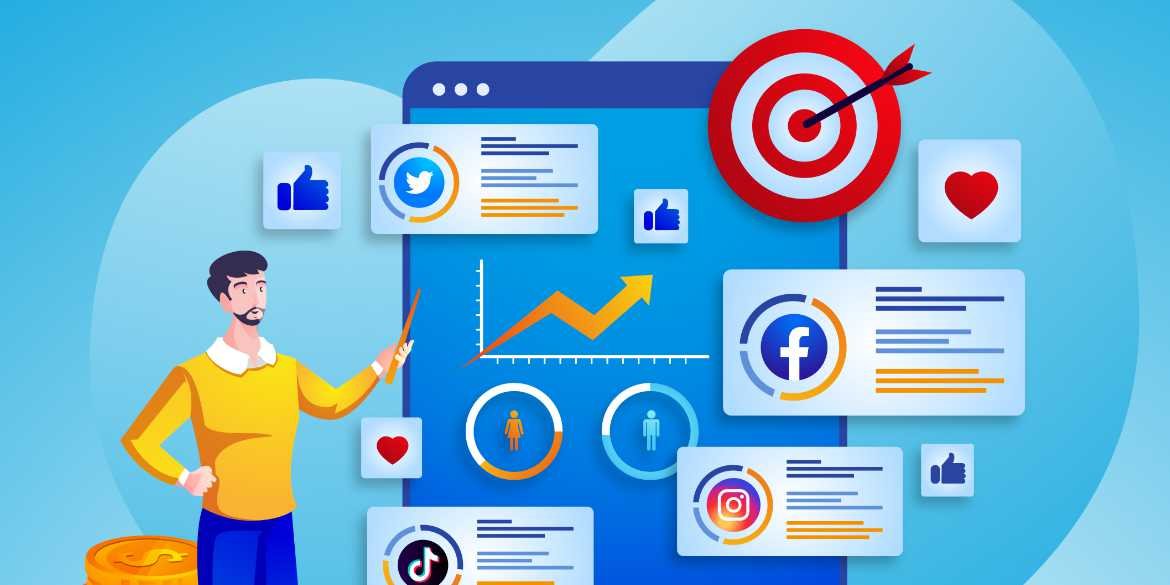
Facebook Ads are one of the most powerful online advertising tools that help businesses reach their target audience on platforms like Facebook and Instagram. With billions of active users, Facebook allows businesses to promote their products or services to people based on their interests, location, age, behavior, and many other factors.
Unlike traditional advertising, Facebook Ads provide precise targeting options that help businesses show their ads to the right people at the right time. This makes it easier to generate leads, increase website traffic, boost brand awareness, and drive more sales.
Another advantage of Facebook Ads is that businesses can control their budget and track the performance of their campaigns in real time. By analyzing data such as clicks, impressions, and conversions, marketers can optimize their ads to achieve better results.Overall, Facebook Ads are a cost-effective and efficient way for businesses to connect with potential customers and grow their online presence.
Why Facebook Ads Are Good for Lead Generation
Facebook Ads are highly effective for lead generation because they allow businesses to reach a large and highly targeted audience. With millions of active users on Facebook and Instagram, businesses can easily connect with potential customers who are interested in their products or services.
One of the biggest advantages of Facebook Ads is advanced targeting. Businesses can target people based on factors such as location, age, interests, behavior, and even past interactions with their website or social media pages. This ensures that ads are shown to the most relevant audience, increasing the chances of generating quality leads.
Another benefit is the Facebook Lead Form, which allows users to submit their contact details directly within the platform without visiting another website. This makes the process quick and convenient, resulting in higher conversion rates.Additionally, Facebook Ads are cost-effective and flexible. Businesses can start with a small budget, test different ads, and optimize campaigns based on performance. With proper targeting and strategy, Facebook Ads can consistently generate high-quality leads and help businesses grow faster.
Setting Up Facebook Ads Manager
Facebook Ads Manager is the main tool used to create, manage, and track advertising campaigns on Facebook and Instagram. It allows businesses to control their ads, set budgets, target specific audiences, and monitor campaign performance in one place.
To start using Facebook Ads Manager, the first step is to create a Facebook Business Manager account. This helps you manage your Facebook page, ad account, and team members securely. After creating the account, you need to add your Facebook page and set up an ad account.
Next, you can set your payment method, such as a debit card, credit card, or online payment option. Once the payment method is added, your account will be ready to run ads.
After completing these steps, you can open Ads Manager and start creating campaigns by choosing an objective, defining your target audience, setting your budget, and designing your ad creatives. Facebook Ads Manager also provides analytics and performance data to help you track results and optimize your campaigns for better lead generation.
Choosing the Right Target Audience
Choosing the right target audience is one of the most important steps in running successful Facebook Ads. If your ads are shown to the right people, the chances of getting quality leads increase significantly. Facebook provides powerful targeting options that help businesses reach users who are most likely to be interested in their products or services.
With Facebook Ads, you can target people based on location, age, gender, interests, and online behavior. For example, a digital marketing agency can target business owners, entrepreneurs, or people interested in marketing and online business.
Another useful feature is Custom Audiences, which allows you to target people who have already interacted with your website, Facebook page, or previous ads. This helps in retargeting users who are already familiar with your brand.
Facebook also offers Lookalike Audiences, which helps you find new people who are similar to your existing customers. This increases the chances of reaching potential leads who may be interested in your business.
By selecting the right audience and refining your targeting, businesses can run more effective campaigns and generate better leads from Facebook Ads.
Creating a High-Converting Facebook Ad
Creating a high-converting Facebook ad is essential for generating quality leads and achieving better results from your campaigns. A successful ad grabs the audience’s attentnload, or Get Quote encourage users to take the next step. A clear CTA helps guide users ion, clearly communicates the value of your offer, and encourages users to take action.
The first step is to choose the right ad format, such as image ads, video ads, or carousel ads. Visual content should be eye-catching and relevant to your product or service. High-quality images or short engaging videos usually perform better and attract more clicks.
Next, write clear and compelling ad copy that highlights the benefits of your offer. Instead of just describing your product or service, focus on how it solves a problem for your audience. Keep the message simple, direct, and easy to understand.
Another important element is a strong Call-to-Action (CTA). Buttons like Sign Up, Learn More, Dowtoward completing the desired action. Finally, make sure your ad matches your landing page or lead form. When users see consistent messaging and a simple process, they are more likely to submit their details and become leads.
Using Facebook Lead Forms
Facebook Lead Forms are a powerful feature that helps businesses collect leads directly from Facebook and Instagram without sending users to another website. This makes the process quick and simple for users, which often leads to higher conversion rates.
When someone clicks on your ad, the lead form opens within the Facebook app and automatically fills in basic details like the user’s name and email address. This reduces the effort required from users and encourages more people to submit their information.
Businesses can customize the form by adding questions such as phone number, company name, or specific requirements. This helps in collecting more relevant information from potential customers.
Another advantage of Facebook Lead Forms is that the collected data can be downloaded or connected to CRM tools and email marketing platforms. This allows businesses to follow up with leads quickly and convert them into customers.
By using simple forms, clear offers, and strong call-to-action messages, businesses can generate high-quality leads efficiently through Facebook Lead Ads.
Setting Budget and Campaign
Setting the right budget and campaign structure is important for running successful Facebook Ads. Facebook allows businesses to control how much they want to spend on their advertising, making it suitable for both small and large businesses.
When creating a campaign, you can choose between a daily budget or a lifetime budget. A daily budget means you decide how much you want to spend per day, while a lifetime budget allows Facebook to spend a set amount over the entire campaign period.
It is usually a good idea to start with a small budget and test different ads to see which one performs best. Once you identify the ad that generates the most leads or engagement, you can increase the budget to reach a larger audience.
Facebook also provides different campaign settings such as choosing your campaign objective, selecting your target audience, setting the ad schedule, and deciding where your ads will appear (Facebook, Instagram, Messenger, etc.).By managing your budget carefully and optimizing your campaigns based on performance, businesses can maximize their return on investment and generate more leads from Facebook Ads.
Tracking and Optimizing Your Ads
Tracking and optimizing your Facebook Ads is essential to ensure that your campaigns are delivering the best results. By monitoring your ad performance, you can understand what is working well and what needs improvement.
Facebook Ads Manager provides detailed insights such as clicks, impressions, cost per click (CPC), and conversions. These metrics help you measure how effective your ads are and whether they are generating leads or engagement.
Another important tool is the Facebook Pixel, which tracks user actions on your website after they click on your ad. This helps you understand customer behavior and improve your targeting strategy.
To optimize your ads, you can test different ad creatives, headlines, audiences, and budgets. This process, known as A/B testing, helps identify which ads perform the best.By regularly analyzing performance data and making small improvements, businesses can increase conversions, reduce advertising costs, and generate more high-quality leads from their Facebook Ads campaigns.
Common Facebook Ads Mistakes
While Facebook Ads can be very effective for lead generation, many businesses make common mistakes that reduce the performance of their campaigns. Avoiding these mistakes can help improve results and increase the chances of getting quality leads.
One common mistake is poor audience targeting. If your ads are shown to the wrong audience, people may not be interested in your product or service. It is important to carefully define your target audience based on location, interests, and behavior.
Another mistake is using low-quality ad creatives. Images or videos that are not attractive or relevant may fail to grab the attention of users. High-quality visuals and clear messaging can significantly improve ad performance.
Many advertisers also make the mistake of not testing multiple ads. Running only one ad limits your ability to see what works best. Testing different ad copies, images, and audiences can help identify the most effective combination.
Lastly, some businesses do not track or analyze their ad performance. Without reviewing metrics like clicks, conversions, and cost per lead, it becomes difficult to improve campaigns.
By avoiding these common mistakes and continuously optimizing your ads, you can achieve better results and generate more leads from Facebook advertising.
Conclusion
Facebook Ads have become one of the most effective digital marketing tools for businesses that want to generate leads and reach a wider audience. With millions of active users on Facebook and Instagram, businesses have the opportunity to connect with potential customers who are genuinely interested in their products or services.
By using the right strategy—such as choosing the correct campaign objective, targeting the right audience, creating engaging ad creatives, and using Facebook lead forms—businesses can significantly improve their chances of generating high-quality leads. Proper budgeting and continuous testing also play an important role in achieving better results from advertising campaigns.
It is also important to regularly track and analyze ad performance through Facebook Ads Manager. Monitoring important metrics like clicks, impressions, and conversions helps businesses understand what is working and where improvements are needed. By optimizing campaigns based on data, advertisers can reduce costs and increase their return on investment.
In conclusion, when Facebook Ads are used effectively, they can help businesses attract new customers, increase brand visibility, and drive consistent lead generation. With the right planning and optimization, Facebook advertising can become a powerful tool for long-term business growth.