Introduction to Social Media Marketing
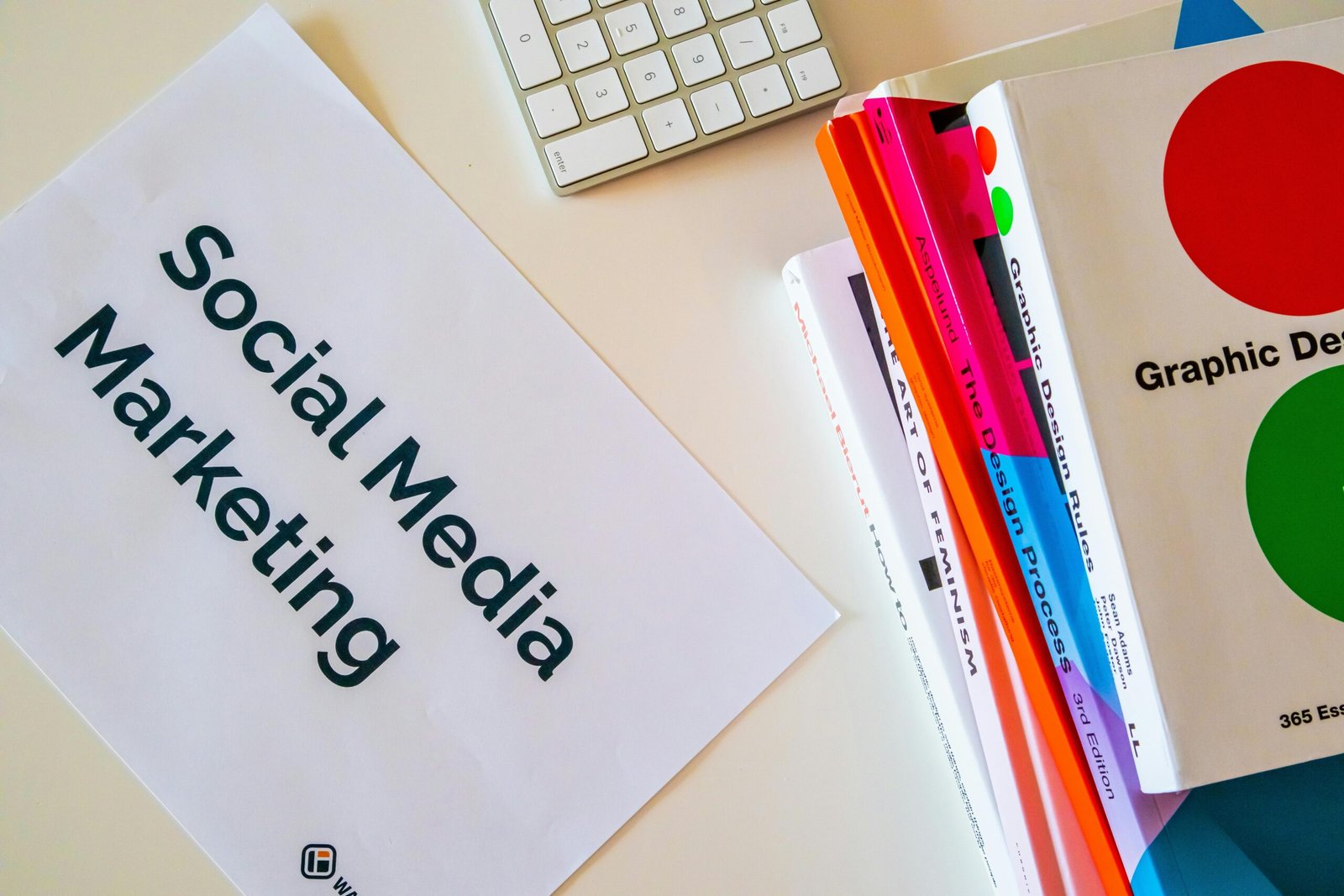
Social Media Marketing (SMM) is a powerful digital marketing strategy that uses social media platforms to promote products, services, and brands. Businesses use platforms like Facebook, Instagram, LinkedIn, and X (Twitter) to connect with their target audience and increase their online presence.
With billions of users active on social media every day, these platforms provide businesses with a great opportunity to reach potential customers, build brand awareness, and promote their products or services effectively. Companies can share posts, images, videos, and advertisements to engage with their audience and attract more people to their brand.
One of the biggest advantages of social media marketing is that it allows businesses to communicate directly with their customers. Through comments, messages, and feedback, companies can understand customer needs, build trust, and create long-term relationships. This interaction helps businesses improve their products and services based on customer preferences.
Social media marketing is also cost-effective compared to traditional advertising methods. Businesses can run targeted advertisements to reach specific audiences based on location, interests, age, and behavior. This helps companies generate quality leads and increase sales more efficiently.
In today’s digital world, social media marketing has become an essential part of every successful marketing strategy. When used correctly, it helps businesses expand their reach, strengthen their brand image, and drive consistent business growth.
Importance of Social Media for Businesses
Social media has become an essential tool for businesses to grow and connect with their audience. Platforms like Facebook, Instagram, LinkedIn, and X (Twitter) allow businesses to reach millions of potential customers quickly and effectively.
One of the biggest advantages of social media for businesses is increased brand awareness. By regularly sharing posts, videos, and updates, companies can make more people aware of their brand and what they offer. This helps businesses stay visible and competitive in the market.
Social media also helps businesses connect directly with their customers. Through comments, messages, and feedback, companies can communicate with their audience, answer questions, and build trust. Strong customer relationships often lead to higher customer loyalty and repeat purchases.
Another important benefit is cost-effective marketing. Compared to traditional advertising, social media marketing allows businesses to promote their products and services at a lower cost. Businesses can also run targeted ads to reach specific audiences based on their interests, location, and behavior.
Additionally, social media provides valuable insights and analytics. Businesses can track engagement, audience behavior, and campaign performance to improve their marketing strategies. These insights help companies understand what works best for their audience and make better marketing decisions.
Overall, social media plays a crucial role in helping businesses increase their online presence, attract new customers, and boost sales in today’s digital world.
If you want to improve your brand visibility and reach the right audience, check out our Social Media Marketing Services to learn how professional strategies can help your business grow.
Choosing the Right Social Media Platforms
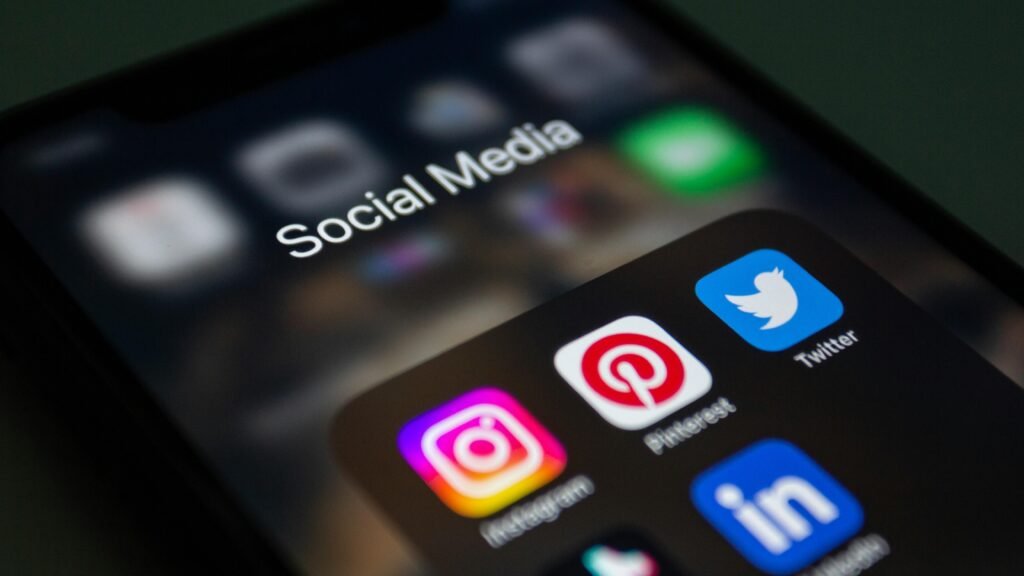
Choosing the right social media platform is very important for successful social media marketing. Different platforms attract different types of audiences, so businesses should focus on the platforms where their target customers are most active.
For example, platforms like Facebook and Instagram are great for businesses that want to reach a large audience and promote products through images, videos, and advertisements. These platforms are widely used for brand promotion and customer engagement.
LinkedIn is more suitable for B2B businesses, professional services, and companies that want to connect with industry professionals and decision-makers. It is an effective platform for building professional relationships and generating business leads.
On the other hand, X (Twitter) is useful for sharing quick updates, industry news, and engaging in real-time conversations with customers.
Businesses should also consider their goals, target audience, and content type before selecting a platform. Choosing the right social media platforms helps businesses reach the right people, improve engagement, and increase the chances of generating more leads and sales.
Creating Engaging Content
Creating engaging content is one of the most important parts of successful social media marketing. Content that is interesting, informative, and visually appealing attracts more attention and encourages people to interact with your brand.
Businesses can share different types of content such as images, videos, infographics, tips, and customer stories to keep their audience engaged. Platforms like Instagram and Facebook work especially well for visual content because users are more likely to interact with eye-catching posts.
Another effective strategy is to create content that provides value to the audience. This can include educational posts, helpful guides, industry insights, or solutions to common problems. When businesses consistently share valuable content, they build trust and credibility with their audience.
Using interactive content such as polls, questions, live videos, and stories also helps increase engagement. When users comment, like, and share posts, it increases the visibility of the content and helps the brand reach more potential customers.
Overall, engaging content helps businesses attract more followers, strengthen their relationship with customers, and ultimately increase their chances of generating more sales through social media.
Using Social Media Ads for Sales
Social media advertising is one of the most effective ways for businesses to increase sales and reach a larger audience. Platforms like Facebook and Instagram offer powerful advertising tools that allow businesses to promote their products and services to highly targeted audiences.
With social media ads, businesses can target users based on factors such as age, location, interests, and online behavior. This helps companies reach people who are more likely to be interested in their products or services, increasing the chances of generating leads and sales.
Another advantage of social media ads is that businesses can set their own budget and control how much they want to spend on advertising. Even small businesses can run effective ad campaigns and compete with larger brands.
Additionally, social media ads provide detailed performance insights. Businesses can track metrics such as clicks, impressions, and conversions to understand how well their ads are performing and make improvements to their marketing strategy.
By using well-designed advertisements and targeting the right audience, businesses can increase brand visibility, attract potential customers, and significantly boost their sales through social media marketing.
Businesses can run highly targeted campaigns using Meta Ads Manager to reach potential customers based on their interests, location, and behavior.
Building Customer Trust Online
Building customer trust online is essential for the success of any business. When customers trust a brand, they are more likely to purchase its products or services and become loyal customers. Social media platforms like Facebook, Instagram, and LinkedIn help businesses communicate directly with their audience and build strong relationships.
One effective way to build trust is by sharing authentic and valuable content regularly. Businesses should provide helpful information, updates, and solutions that benefit their audience. Consistent posting shows that the brand is active and reliable.
Responding to comments, messages, and customer questions is also important. When businesses quickly reply to customers and address their concerns, it shows that they care about customer satisfaction. This interaction helps strengthen the relationship between the brand and its audience.
Customer reviews and testimonials also play a major role in building trust. Positive feedback from real customers increases credibility and encourages new customers to trust the brand.
Overall, by being transparent, responsive, and consistent on social media, businesses can build strong customer trust and create long-term relationships that lead to higher customer loyalty and increased sales.
Influencer Marketing for Brand Promotion

Influencer marketing is a powerful strategy that helps businesses promote their products or services through individuals who have a strong presence and loyal followers on social media. Influencers already have the trust of their audience, which makes their recommendations more effective for brand promotion.
Platforms like Instagram, YouTube, and Facebook are commonly used for influencer marketing because influencers can easily share product reviews, tutorials, and promotional content with their followers.
When businesses collaborate with the right influencers, they can reach a targeted audience that is more likely to be interested in their products. Influencers can create authentic content such as product demonstrations, unboxing videos, or personal reviews, which helps build trust and credibility for the brand.
Another advantage of influencer marketing is that it increases brand visibility. When influencers promote a product to their followers, it exposes the brand to a larger audience and helps attract potential customers.
Overall, influencer marketing is an effective way for businesses to expand their reach, build brand credibility, and increase sales through trusted social media personalities.
Tracking Social Media Performance
Tracking social media performance is essential for understanding how well your social media marketing efforts are working. By analyzing performance data, businesses can identify what type of content performs best and make better marketing decisions.
Most social media platforms such as Facebook, Instagram, and LinkedIn provide built-in analytics tools that help businesses monitor their performance.
Some important metrics to track include engagement, reach, impressions, clicks, and conversions. These metrics help businesses understand how many people are interacting with their content and whether their marketing campaigns are generating leads or sales.
Businesses can also use these insights to improve their content strategy. For example, if certain posts receive higher engagement, companies can create more similar content to attract their audience.
Regularly tracking social media performance helps businesses optimize their marketing strategies, reach the right audience, and achieve better results from their social media marketing efforts.
Common Social Media Marketing Mistakes
Many businesses use social media for marketing, but some common mistakes can reduce the effectiveness of their efforts. Avoiding these mistakes can help businesses achieve better results and improve their online presence.
One common mistake is not having a clear strategy. Businesses often post content without planning or setting goals. A proper social media strategy helps brands stay consistent and focus on achieving specific marketing objectives.
Another mistake is inconsistent posting. If a business rarely posts content or is inactive for long periods, it may lose audience engagement. Regular posting on platforms like Facebook and Instagram helps maintain visibility and keep the audience interested.
Many businesses also make the mistake of ignoring customer interactions. When companies do not respond to comments, messages, or feedback, customers may feel that the brand does not value them. Engaging with the audience helps build stronger relationships and trust.
Another common issue is posting only promotional content. Constantly promoting products can make the content feel repetitive. Businesses should also share informative, entertaining, or helpful posts to keep the audience engaged.
By avoiding these common mistakes, businesses can improve their social media marketing strategy, connect better with their audience, and achieve better marketing results.
Conclusion
Social media marketing has become a powerful tool for businesses to increase their brand visibility, connect with customers, and drive more sales. By using platforms like Facebook, Instagram, and LinkedIn, businesses can reach a wider audience and promote their products or services more effectively.
From creating engaging content to running targeted ads and building strong customer relationships, social media offers many opportunities for business growth. It also allows companies to track their performance and improve their marketing strategies based on real data.
When used correctly, social media marketing helps businesses build trust, attract potential customers, and increase sales. In today’s digital world, it has become an essential part of a successful marketing strategy.